Bloody Ragdoll Physics NPC Wars Setup and Spectacle Tips
Build teams, assign loadouts, start the fight, and direct camera-worthy ragdoll battles.
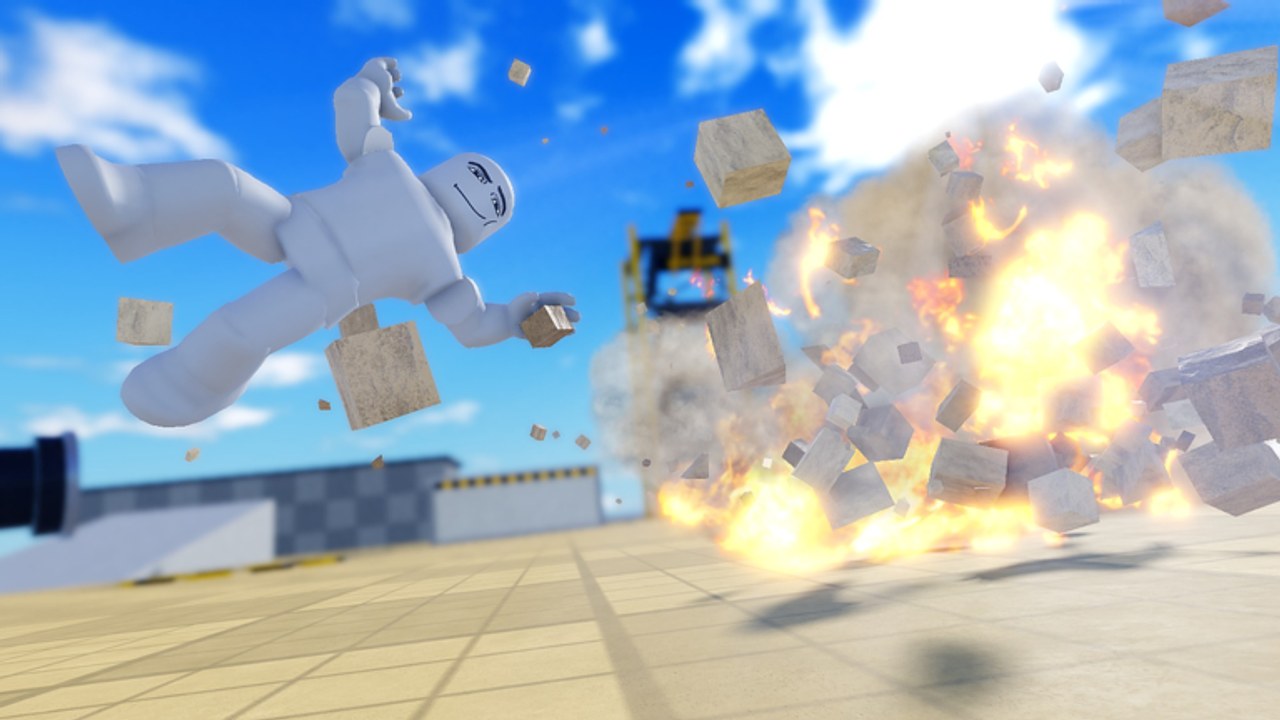
NPC Wars is the closest Bloody Ragdoll Physics gets to a match — except every fighter is an NPC and the only human in the server is you. Official copy says it plainly: pick the teams, hand out weapons, press go. There is no shared player sessions and no PvP ladder; wars exist for spectacle, experiments, and clip farming inside a solo sandbox.
This guide covers the setup flow, loadout theory, camera and sandbox support, and how to mix wars with syringes or world events without burying the fight. If you still need basic movement help, read controls first. Brand-new players should finish getting started before directing armies.
Why wars feel different from free roam
In free roam you are the only intentional agent. In NPC Wars you become a producer: you choose sides, arm them, and then mostly spectate while physics and AI pathing write the scene. That shift matters for testing. A shotgun that feels strong in your hands may look weak when NPCs miss half their shots — useful data for the weapons tier list.
Wars also stress performance. Two teams with explosives will spawn more limbs and particles than a quiet sniper drill. Plan graphics settings before you press go.
Step-by-step setup
- Clear the stage. Reset debris or rewind to a clean plate using sandbox tools. Wars on top of Nuke leftovers are unreadable.
- Open the NPC Wars UI. Find the wars / teams control on the HUD. If it is locked, you may need kills or a gamepass — check prompts and gamepasses.
- Pick the teams. Assign how many fighters sit on each side. Balanced counts make fairer tests; lopsided counts make comedy upsets.
- Hand out weapons. Give Team A and Team B distinct kits so you can tell who is winning at a glance — shotguns versus melee, or snipers versus chaos guns.
- Optional pre-buffs. Only after you know baseline wars should you inject a syringe into one side or park cars as cover.
- Press go. Stop micromanaging. Let the opening volley play.
- Direct the camera. Orbit, zoom, and slow-mo the best collisions. Intervene with events only as a planned act two.
Do not skip step 1. Most disappointing wars fail because the floor was already a junkyard.
Loadout theory that actually reads on camera
Mirror match. Both teams get shotguns. Teaches AI aim and staging without class confusion. Good calibration run.
Class clash. Team A melee (sledgehammer / chainsaw), Team B ranged (sniper / shotgun). You will see whether closing the gap beats firepower today.
Chaos tax. Team A normal guns, Team B rocket or flamethrower access. Measures whether spectacle kits self-sabotage through friendly blast radius.
Gravity oddity. One team gravity-gun flavored toys versus classic bullets. Great once you understand flings from the weapons guide.
Equal trash. Both teams get weak starters. Surprisingly educational — movement and clustering decide more than item rarity.
Whatever you pick, announce it to yourself before go. Post-hoc stories invent balance that never existed.
Spectating like a director
- Start wide so both spawns fit in frame for the first three seconds.
- Dive close when a chainsaw connects; pull wide again before rockets land.
- Enable slow motion on the first multi-body pileup, then disable so the war does not crawl forever.
- If a fighter traps under geometry, note it, but do not reset mid-take unless the simulation stalls.
- Flash Freeze from world events is your thumbnail button — freeze a mid-air exchange, screenshot, unfreeze.
You are allowed to shoot into the fight. Doing so breaks the “NPC authorship” experiment, so label those clips as player interventions.
Cars, cover, and arena dressing
Park vehicles as movable cover before pressing go. NPCs and explosions will shove them; that secondary motion sells production value. Avoid boxing teams into a closet-sized gap unless the joke is instant melee.
Sandbox spawn can place extra dummies as civilian props. Keep civilians visually distinct if you care who was a fighter. Too many extras tank FPS and confuse kill-like tallies you might be watching for unlock progress elsewhere.
Syringe interference (advanced)
After you have three clean wars on film, run contaminant trials:
- Seed one zombie syringe into Team B only, then start. Does the plague crown a winner?
- Give Team A an explosive-injected captain. Friendly fire risk becomes the story.
- Balloon a backline sniper and see whether altitude helps or just makes a floating piñata.
Log results beside syringes tier list opinions. Wars are the best fairness check mutations get.
Event finales and mid-fight weather
Act structure that works
- Go — pure NPC fight for fifteen seconds.
- Optional Flash Freeze snapshot.
- Optional Fire Storm or Zero-G to change tactics.
- Optional Nuke curtain call when you are done learning.
Black Hole mid-war is hilarious once and muddy twice; use sparingly. If you came to study weapon kits, skip weather entirely until the mirrored shotgun baseline is done.
Performance checklist
- Lower graphics on phone before 8v8 explosive wars.
- Prefer smaller team sizes when testing new patches from updates.
- Close leftover world events before opening the wars UI.
- Exit cars before setup so prompts do not fight the wars menu.
- Remember server size is 1 — you cannot invite a friend to co-direct. Share clips instead.
Goals beyond “it looked cool”
Badge adjacent. Wars rarely replace cannon or drop-test badges on badges, but they can farm chaotic kills if defeats count toward unlock counters — verify in your build by watching the kill UI.
Tier research. Rank weapons by how often NPC teams actually convert gear into ragdolls, not by how fun the gun feels in your hand. Update tier-list notes accordingly.
Clip pipeline. Wide open → close melee → Freeze still → Nuke ending. Export that four-beat structure whenever you need content fast.
Code breaks. Redeem codes between wars, not during setup, so menus do not collide.
Common mistakes
- Pressing go before assigning weapons, then blaming AI for fist fights you authored.
- Identical chaotic kits on both sides with no visual contrast.
- Stacking zombie outbreak, Fire Storm, and miniguns on frame one.
- Standing inside the arena with a black hole gun “to help” until the science vanishes.
- Expecting multiplayer. shared sessions is none — wars simulate crowds without humans.
Practice card (fifteen minutes)
Minutes 0–3: clean reset, 3v3 mirrored shotguns. Minutes 3–7: 3v3 melee versus ranged. Minutes 7–11: add one car as cover, same kits. Minutes 11–15: replay the best matchup with Flash Freeze screenshots, then Nuke reset. Stretch later sessions with syringes and weather.
NPC Wars reward producers more than sharpshooters. Learn to set a fair table, then feel free to flip that table on purpose. When the go button starts feeling like a film slate, you are using the mode correctly.
Related reading
Deepen kits with weapons, mutate fighters via syringes, control takes in sandbox, change climate in world events, and browse the Guides Hub for the full route. Unofficial scripts may automate spawns; master manual setup first so you can still direct when cheats fail.
Frequently Asked Questions
Quick answers for Bloody Ragdoll Physics players.
How do NPC Wars work?
Open the wars UI, pick teams, hand out weapons, and press go. NPCs fight while you spectate, film, or optionally interfere.
Can friends join my NPC War?
No. Bloody Ragdoll Physics runs with server size 1 and no shared player sessions. Wars are solo productions you share as clips afterward.
What weapons should I give each team?
Start with mirrored shotguns for a baseline, then try melee versus ranged so the camera can tell sides apart. Add chaos kits only after clean fights.
Can I use syringes or world events during wars?
Yes, but run a vanilla war first. Contaminate with syringes or weather events only after you know how the loadouts behave alone.